
Legumes and Seeds for Pain Relief: The Stabilizers
Updated: Jan 14

Welcome back to our series on eating for pain relief. We have covered the cooling power of fruits and the cleansing nature of vegetables. Now, we arrive at the heavy lifters of the plant world: Legumes and Seeds.
In my clinic, I often hear patients report feeling "heavy," "weighed down," or "stuck." Others tell me they feel "dry," "brittle," and stiff.
While fruits cool us down and vegetables clean us out, legumes and seeds for pain relief work by stabilizing our energy. They act as the "Drainers" (removing heavy fluids) and the "Lubricators" (oiling the rusty joints).
The Western View: Fiber and Fatty Acids
From a modern nutritional perspective, the power of this group lies in two massive anti-inflammatory tools: Fiber and Omega-3s.
The Fire Extinguishers (Omega-3s)
Inflammation is essentially a fire in the body. To put it out, we need specific fats. Omega-3 fatty acids are famous for interfering with the body's inflammatory pathways. While many people think of fish, the plant kingdom offers powerful sources like flaxseeds and Chia Seeds. These contain Alpha-Linolenic Acid (ALA), which acts as a precursor to the anti-inflammatory agents our joints desperately need.
The Broom (Soluble Fiber)
Legumes are packed with soluble fiber. Why does this matter for pain? Because fiber helps regulate blood sugar. When blood sugar spikes, it triggers insulin, and high insulin levels can drive inflammation. By stabilizing your blood sugar with beans and lentils, you are indirectly calming the inflammatory response in your joints
The Eastern View: Draining Dampness and Nourishing Roots
Dampness: If your joints are swollen, puffy, or worse in rainy weather, you likely have "Dampness." Imagine a sponge soaked in water - it is heavy and hard to move. We need legumes to gently squeeze that sponge out.
Kidney Deficiency: If your pain is a dull ache in the lower back or knees that feels better with rest, your "roots" (Kidneys) might need nourishment. Seeds are often used to tonify the Kidneys and moisten dryness.
Adzuki Beans ("The Dampness Drainers")
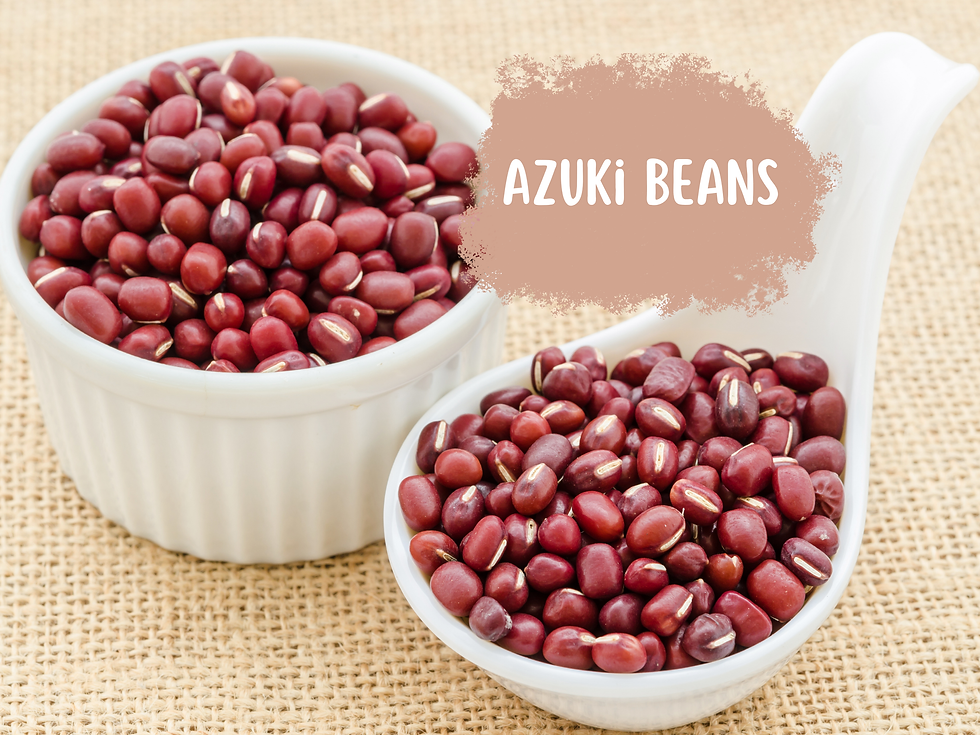
If you have swollen ankles or "heavy" legs, this is your medicine.
Western Science: Adzuki beans are rich in potassium and fiber, which help the body shed excess fluid and regulate blood pressure.
Ancient Wisdom: In Chinese herbology, the Adzuki bean (Chi Xiao Dou) is famous for its ability to "drain dampness" and reduce swelling. It is sweet and neutral, entering the Heart and Small Intestine channels to promote urination and clear damp-heat.
How to use: Make a simple soup with adzuki beans and a strip of kombu seaweed to help reduce water retention.
Mung Beans ("The Heat Clearers")

If your joints feel hot, red, or agitated (like in a gout flare or acute arthritis), you need cooling.
Western Science: Mung beans are incredibly easy to digest and are hypoallergenic, making them perfect for a system under stress.
Ancient Wisdom: Mung beans (Lu Dou) are sweet and cold. Their superpower is clearing "Summer Heat" and detoxifying the body. They are excellent for thirst and irritability associated with inflammation.
How to use: During a hot flash or flare-up, try "Mung Bean Water"—boil the beans until they just open, and drink the cooling broth.
Flaxseeds ("The Joint Lubricators")

Best for: Stiff, dry, "cracking" joints.
Western Science: Flaxseeds are one of the richest plant sources of Omega-3 fatty acids (ALA). They inhibit the production of pro-inflammatory compounds.
Ancient Wisdom: Seeds generally have a moistening quality. Flaxseeds are sweet and neutral, used to moisten the intestines and treat dryness. They help "oil" the body's internal workings.
How to use: You must use ground flaxseeds (flax meal), as whole seeds often pass through undigested. Sprinkle them on oatmeal or salads.
Black Sesame Seeds ("The Kidney Tonics")

Best for: Chronic lower back pain, weak knees, and premature graying.
Western Science: Sesame seeds are rich in calcium, which is essential for bone density.
Ancient Wisdom: Black Sesame Seeds (Hei Zhi Ma) directly enter the Kidney and Liver channels. They are a premier "Yin Tonic," used to strengthen the bones and tendons and moisten dry tissues.
How to use: Sprinkle ground black sesame on rice or vegetables.
A Note on Digestion - Sprouting and Chewing
Many of my patients avoid beans because they fear the bloat. To make legumes and seeds for pain relief accessible and effective, we must treat them correctly.
The Magic of Sprouting
I highly advise sprouting your beans and seeds before cooking them.
Why? Sprouting is like waking the seed up. It activates enzymes that break down "anti-nutrients" (like phytic acid) which can otherwise block mineral absorption and cause gas.
The Benefit: It not only makes them easier to digest but also supercharges their nutritional value, increasing vitamins (especially Vitamin C and B vitamins) and making proteins more bioavailable.
The Art of Slow Eating
You cannot rush healing. Digestion does not start in the stomach; it starts in the mouth.
Chew Well: Saliva contains essential enzymes that begin breaking down carbohydrates immediately. If you swallow your food whole, you place a heavy burden on your Spleen and Stomach, leading to bloating and dampness.
Take Your Time: As the great physician Maimonides taught, chewing is the first and most critical step of digestion. Aim to chew until the food is liquid before swallowing.
Your "Stabilizer" Challenge
This week, I want you to choose one of these stabilizers to add to your diet. Will you drain the dampness with adzuki beans, or nourish your lower back with black sesame seeds?
In our next and final post, we will put it all together into a "Day of Eating for Pain Relief."
Until then, nourish your roots.
References:
Kastner, J. (2009). Chinese Nutrition Therapy: Dietetics in Traditional Chinese Medicine (TCM) (2nd ed., p. 56). Thieme.
Pitchford, P. (2002). Healing with whole foods: Asian traditions and modern nutrition (3rd ed.). North Atlantic Books.
Bensky, D., Clavey, S., & Stoger, E. (2004). Chinese Herbal Medicine: Materia Medica (3rd ed.). Eastland Press.
Comments